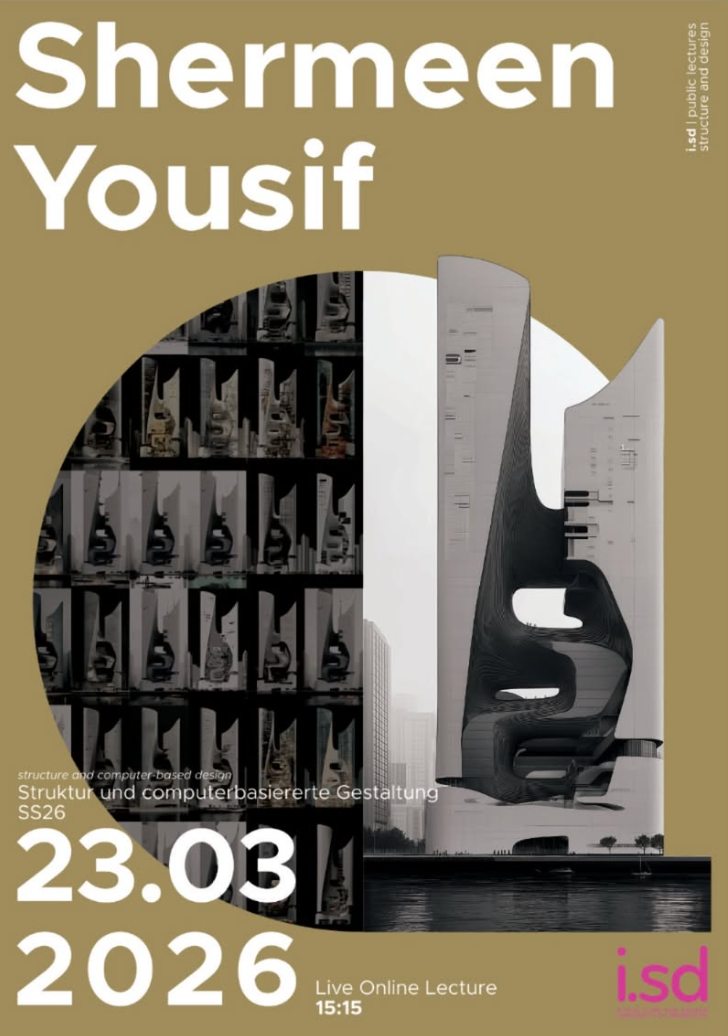
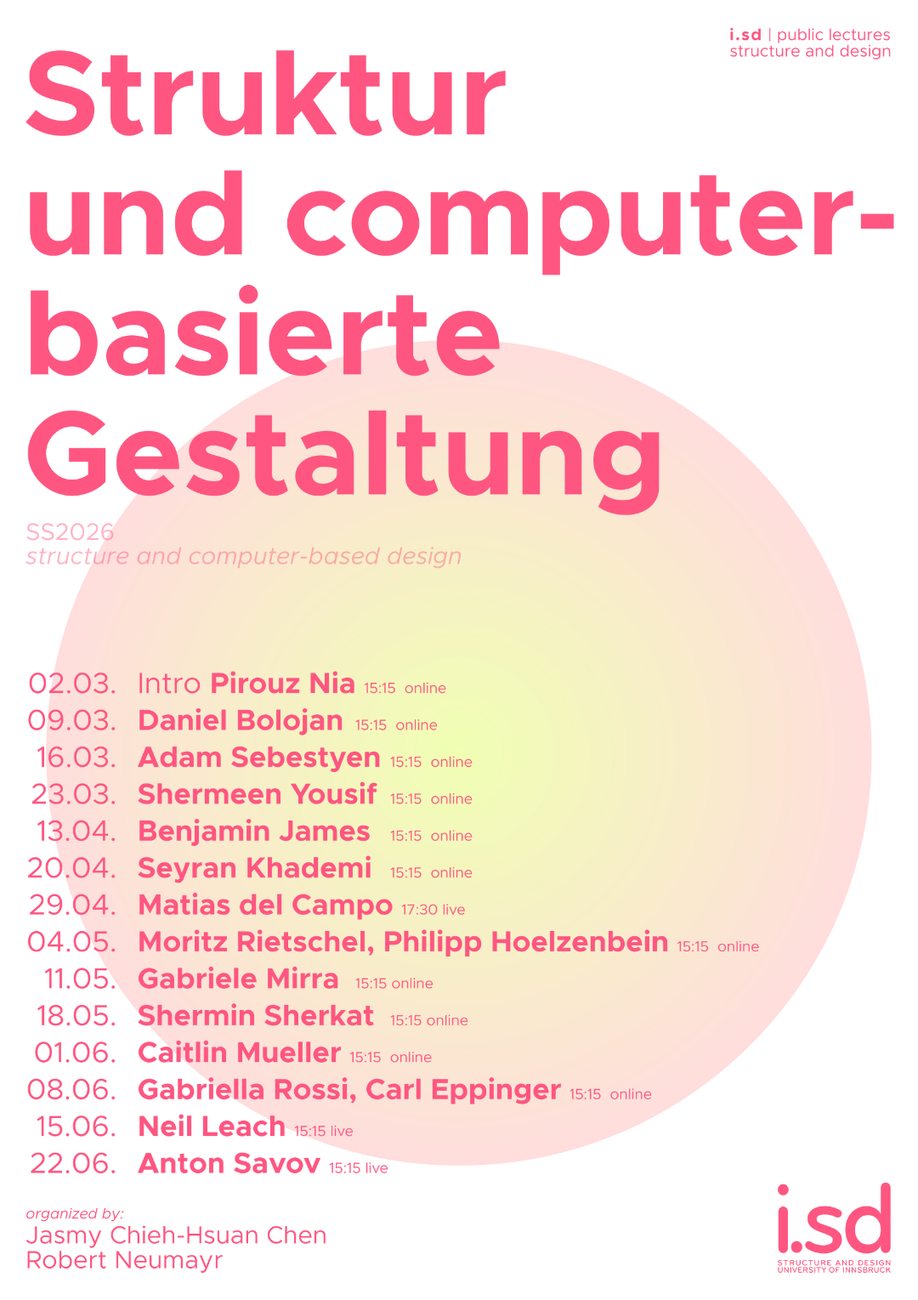

I.SD. Innsbruck Lecture Series
Presentation Title: Designing for a Post-AI Discipline: Agency, Orchestration, and Performative AI in Architecture
Project Description:
This lecture, Designing for a Post-AI Discipline: Agency, Orchestration, and Performative AI in Architecture, advances a repositioning of artificial intelligence in architecture, reframing AI not as a representational instrument but as a co-creative epistemic partner capable of mediating between human intention, performance, and spatial design intelligence. Rather than treating generative models as tools for producing images, the talk asks what happens to the discipline itself when intelligence becomes distributed across human and machine agents — and how architects might design the systems of design, not only their outputs.
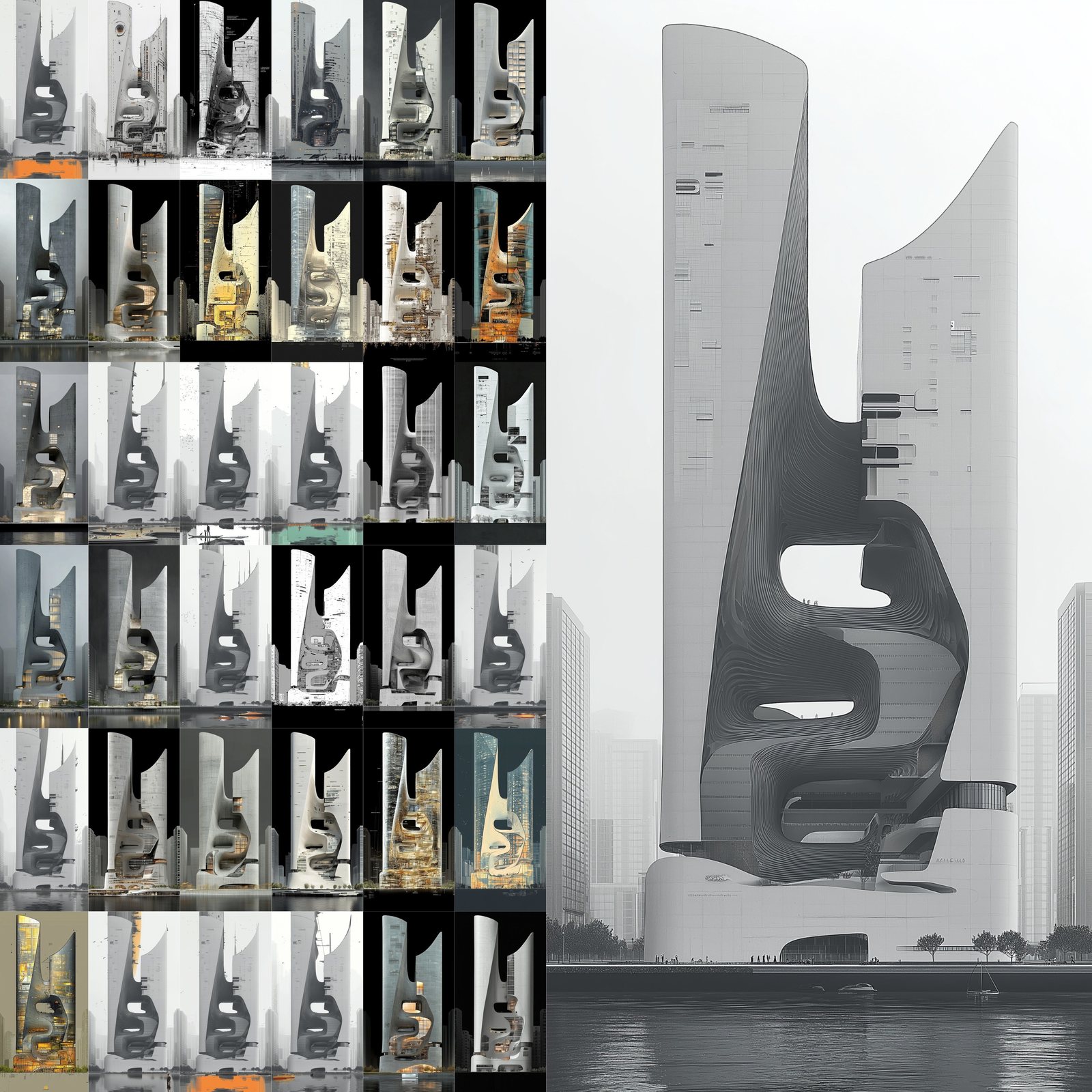
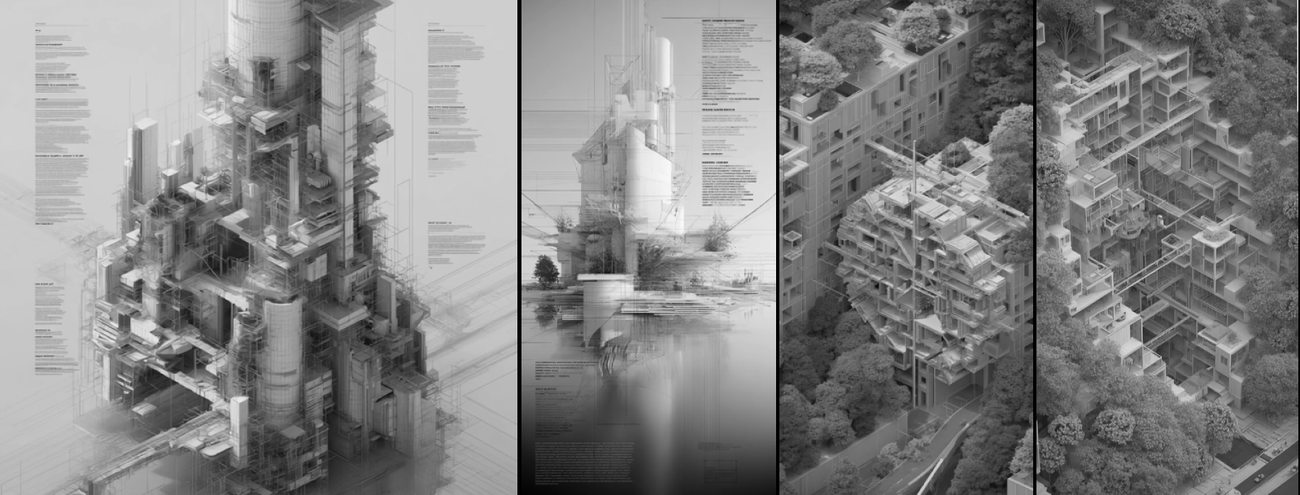
Within the emerging paradigm of agentic AI and design intelligence, Dr. Yousif presents recent work from the Performative AI Lab in which networks of fine-tuned diffusion models, large language model (LLM) systems, and performance-driven models are orchestrated to operate as distributed agents embedded within the architectural design workflow. Instead of a single model generating a single result, these systems function as an ecology of specialized agents — some proposing form, others reasoning through language, others evaluating structural, environmental, and material performance — negotiating with one another and with the designer across the arc of a project. This orchestration challenges conventional notions of authorship, agency, and disciplinary knowledge, relocating the architect's role from author of the artifact to conductor of an intelligent, multimodal system.
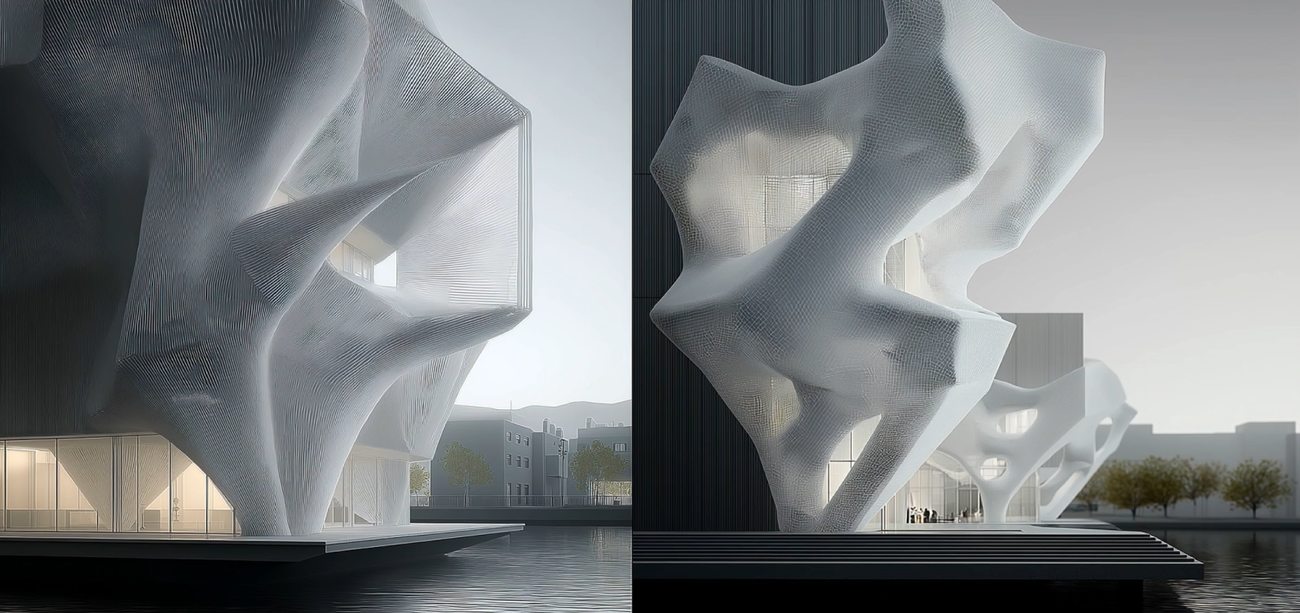
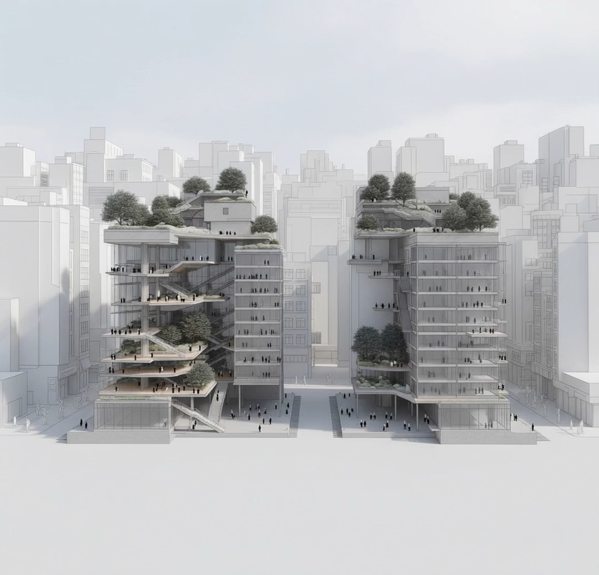
Building on the series' focus on machine learning in structure and materialization, the lecture traces how these agentic workflows move beyond visual speculation toward performative and material realization — connecting AI-driven generation to simulation, optimization, and, increasingly, robotic fabrication. Through examples spanning performative façades, structural and acoustic systems, and ecologically responsive assemblies, the presentation demonstrates how design intelligence can be made measurable, testable, and buildable rather than merely represented.
Ultimately, the talk argues that architecture is entering a "post-AI" condition — one in which AI is neither a threat to nor a substitute for design judgment, but a partner in expanding it. By foregrounding orchestration, ecological reasoning, and performative feedback, Dr. Yousif offers a framework for how architects can retain agency and disciplinary depth while working within, and reshaping, the intelligent systems on which contemporary practice increasingly depends.