I.SD. Innsbruck Lecture Series
Presentation Title: Towards Creative and Performative AI Ecologies in Architecture
Description:
Towards Creative and Performative AI Ecologies in Architecture Guest Lecture — i.sd "Structure and Computer-based Design" Lecture Series 2025, Department of Design, University of Innsbruck · 19 May 2025
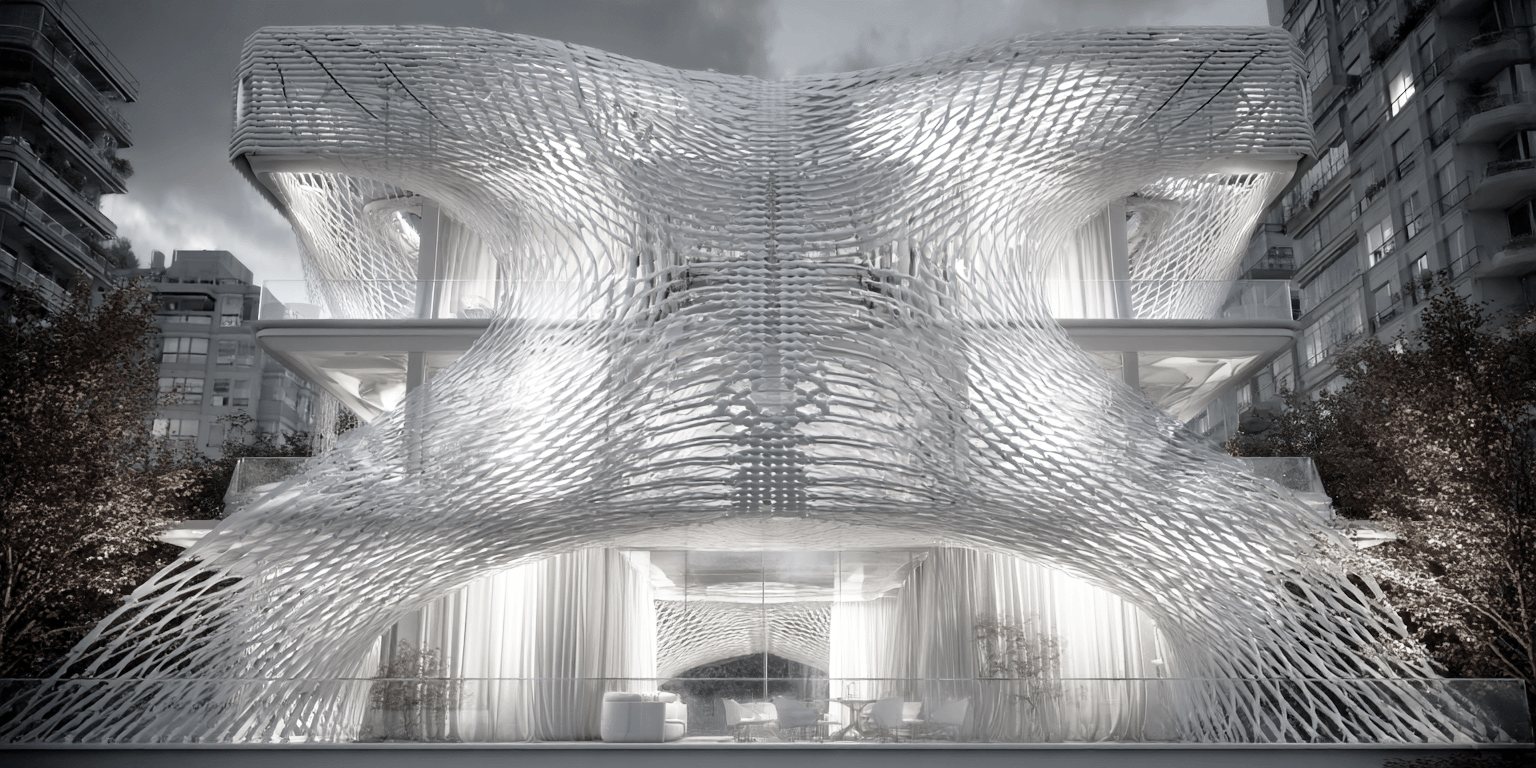
This lecture, Towards Creative and Performative AI Ecologies in Architecture, was presented in the i.sd Structure and Design Lecture Series 2025 at the University of Innsbruck. It positioned artificial intelligence not as a representational tool but as a creative and performative agent in architectural design — one that mediates the interplay of form, performance, and environmental responsiveness.
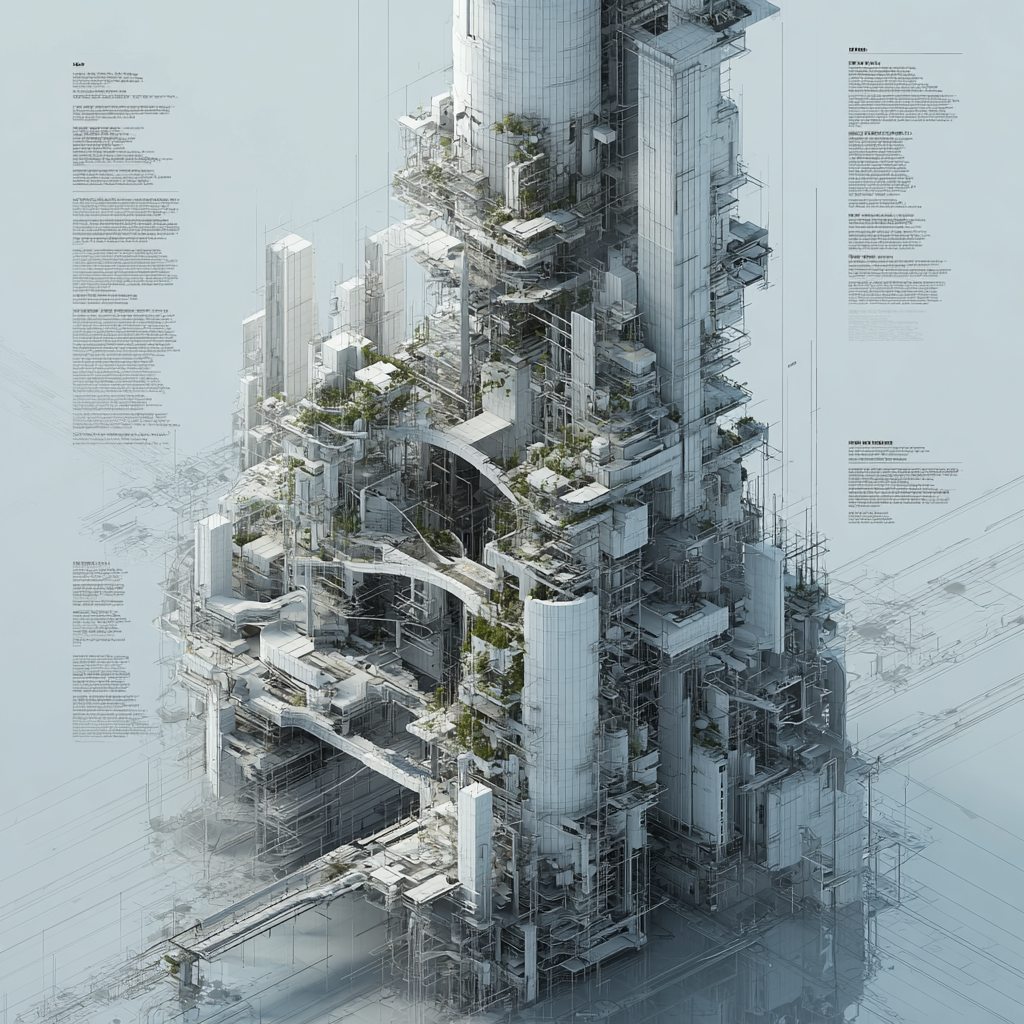
Drawing on research from the Environmental Design and Natural Materials Lab, the lecture traced methods that train generative and diffusion models on ecological design strategies and couple them with environmental performance simulation — extending AI beyond image-making into a design intelligence oriented toward resilience, decarbonization, and performative design outcomes. The process follows that intelligence into material practice, where robotic fabrication becomes the medium for realizing performance-driven prototypes — closing the loop between AI and algorithmic generation and built, ecologically attuned artifacts.
These arguments build on a decade of peer-reviewed research in generative design systems and deep learning. Central to this work are AI-driven methods that embed deep-learning surrogate models within generative design loops to automate building-performance simulation — such as daylight prediction — so that performance feedback shapes form as it is generated. Complementary methods expand and structure the architectural design space through latent design spaces, interconnected deep-learning models, and shape-clustering techniques (K-Medoids) for form-finding and multi-objective optimization. More recent work introduces multimodal, language-based generative workflows that operate on architectural semantics, and extends design intelligence into fabrication through robotic joinery and material-structural experimentation.