Atlas for Post-Disciplinary Design
Project Description:
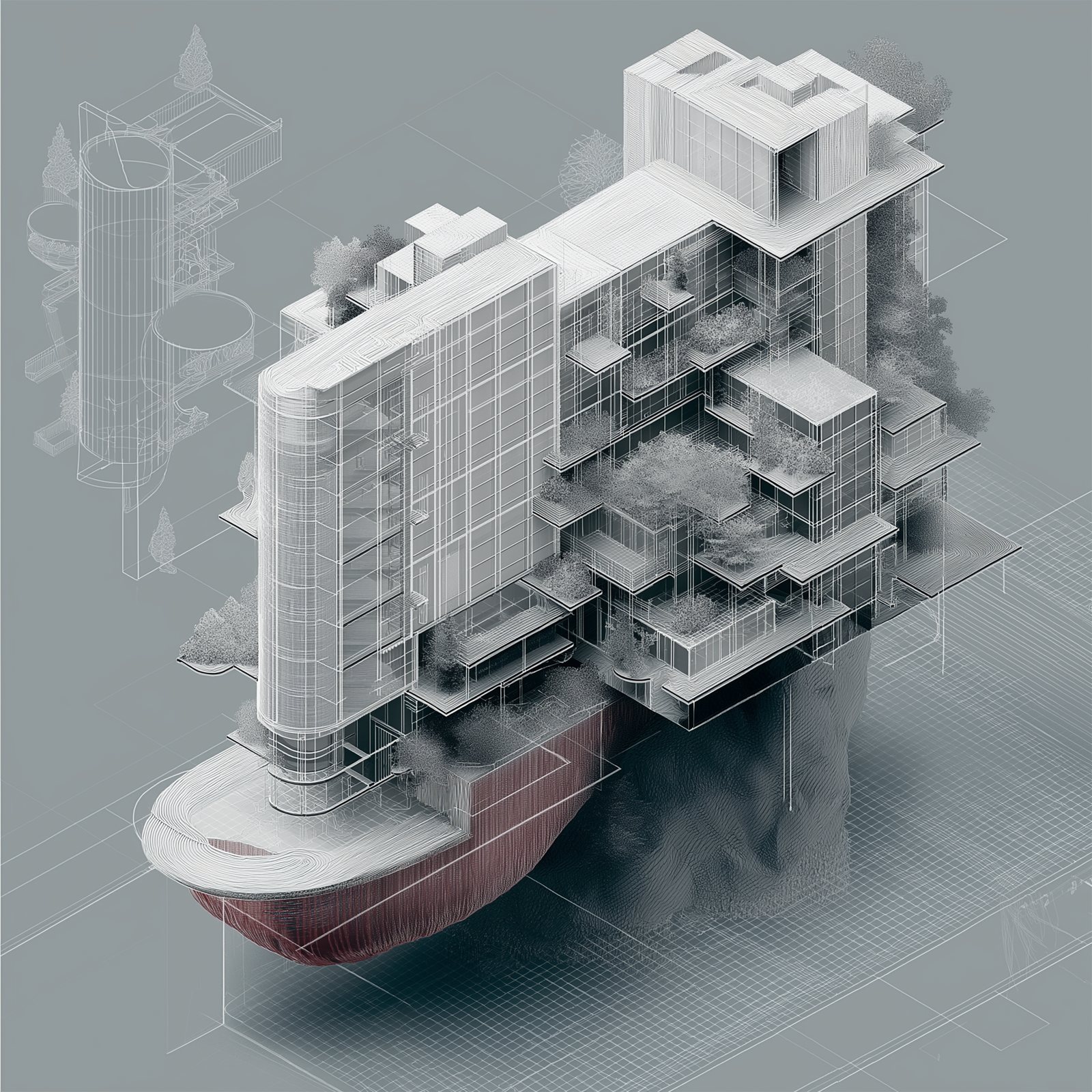
The Floating Vessel
Atlas for Post-Disciplinary Design — Tyler School of Art + Architecture Curated by Andrew John Wit and Laurin Aman
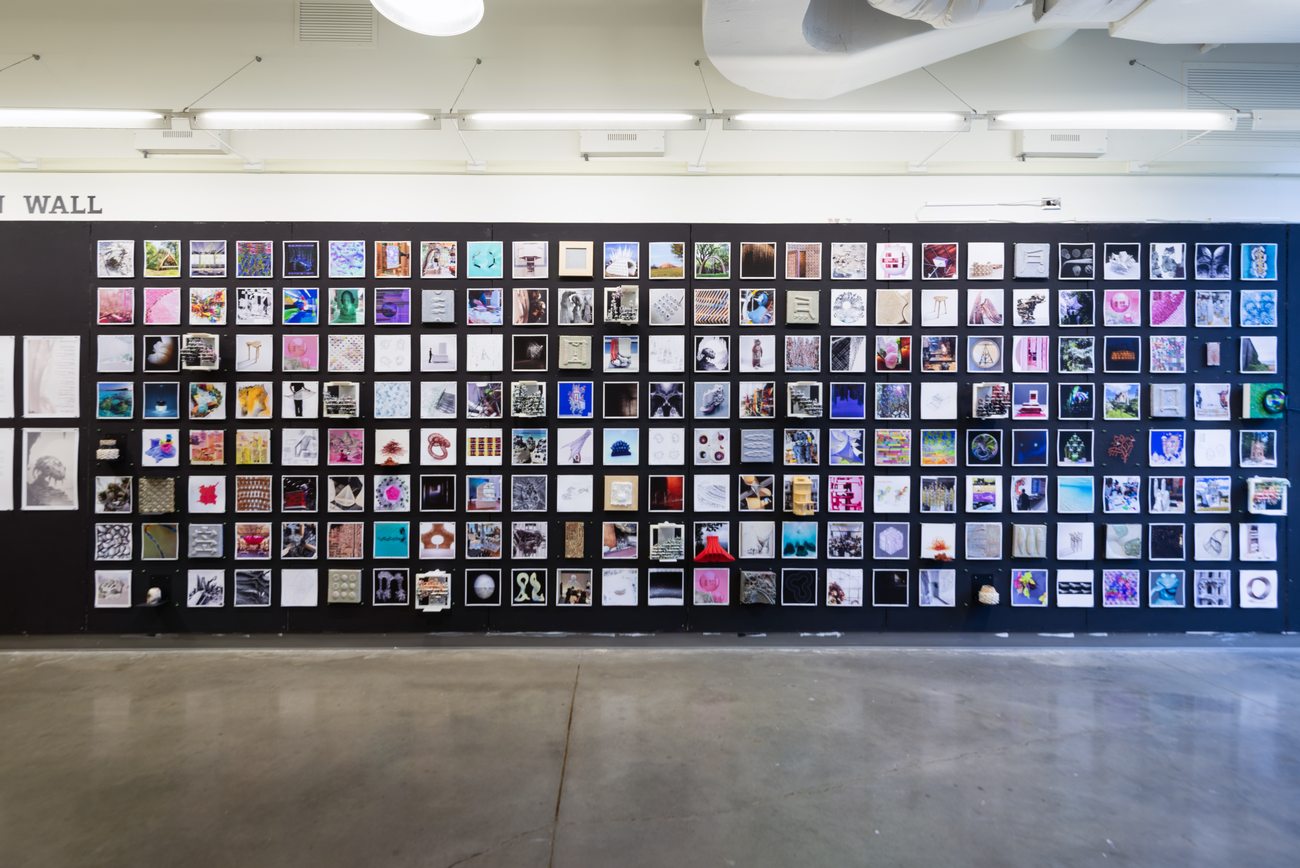
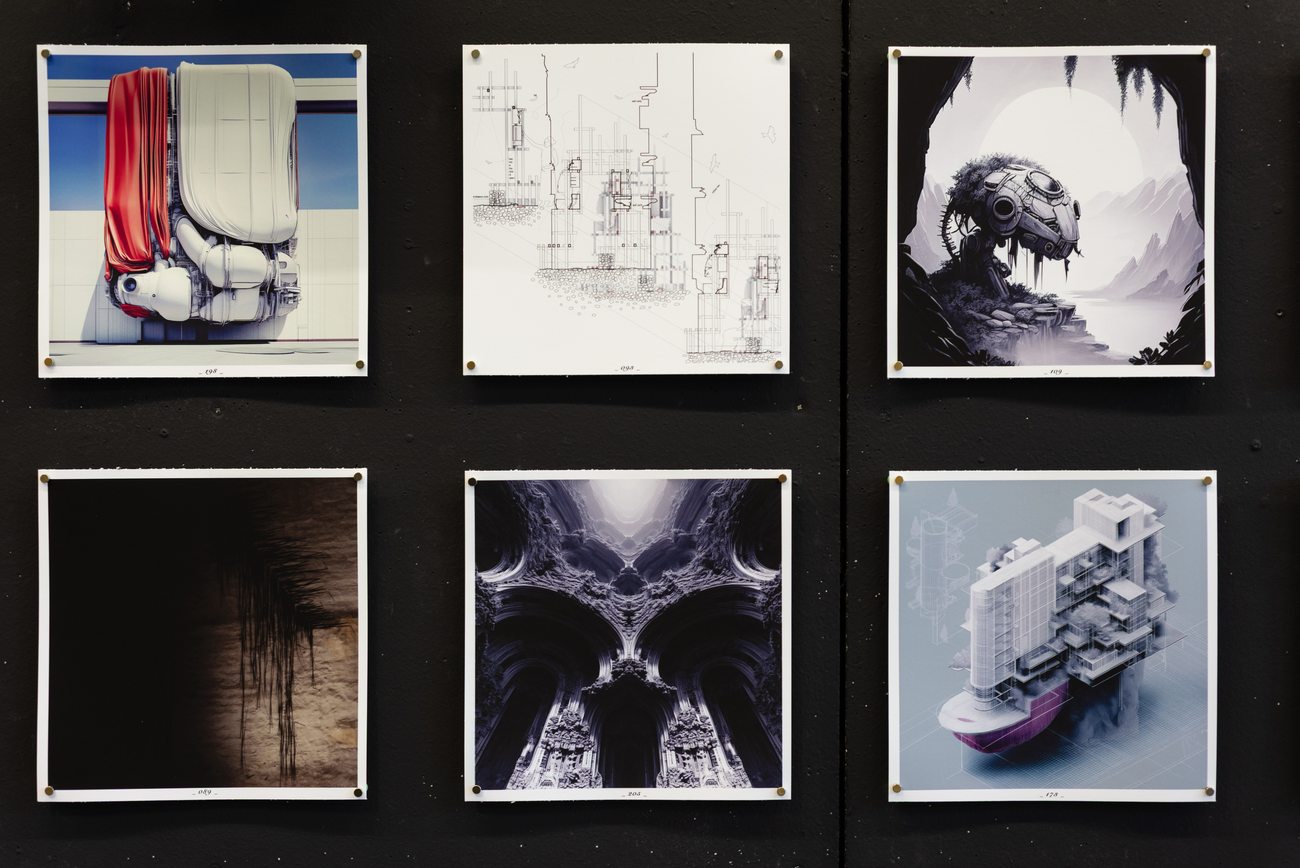
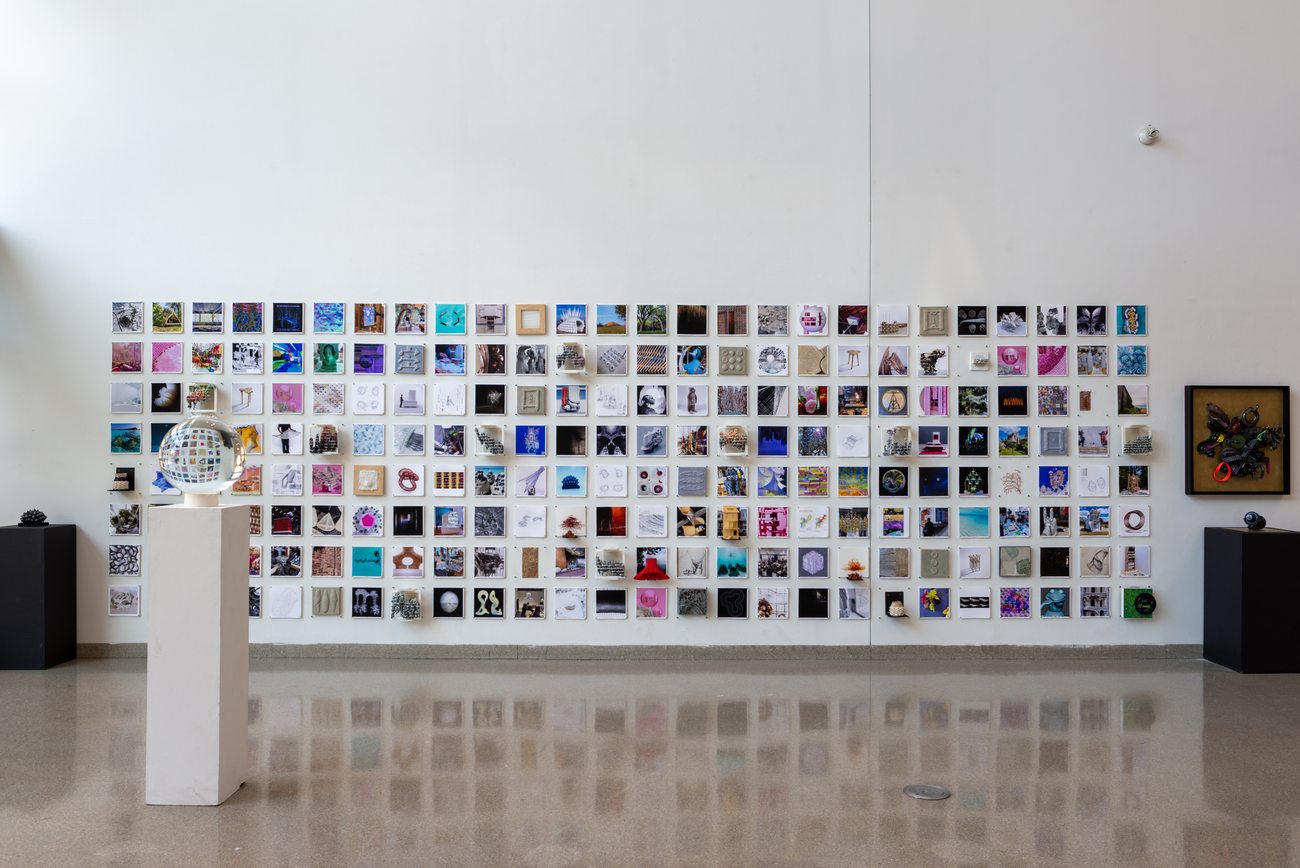
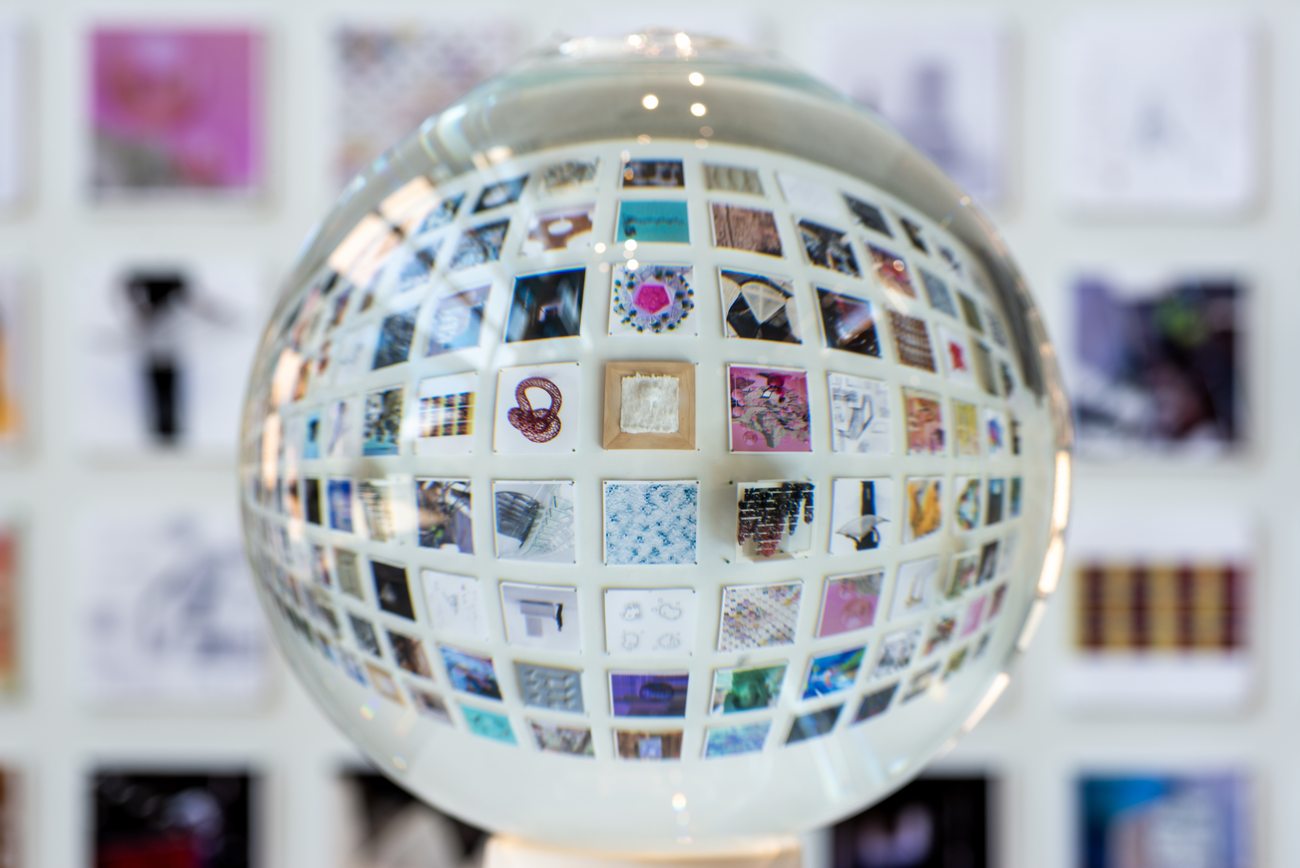
The Floating Vessel was selected for exhibition in the Atlas for Post-Disciplinary Design, the second biannual research symposium hosted by the Department of Architecture + Environmental Design (AED) at Temple University's Tyler School of Art + Architecture. Conceived by curators Andrew John Wit and Laurin Aman, the Atlas gathers designers, researchers, and makers who work beyond the boundaries of any single discipline — challenging the silos of modernist pedagogy, anthropocentrism, and consumer culture in order to reframe global narratives toward a "just, caring, eco-feminist, and post-disciplinary future." The exhibition, or Spectacles, forms one part of a four-part series alongside a Forum, Musings (Workshops), and an edited Atlas volume. The work was shown twice: first at the Architecture Gallery Wall at the Tyler School of Art + Architecture (opening alongside the October 30–31, 2025 symposium), and again in the Tyler Lobby Gallery (May 15 – July 1, 2026).
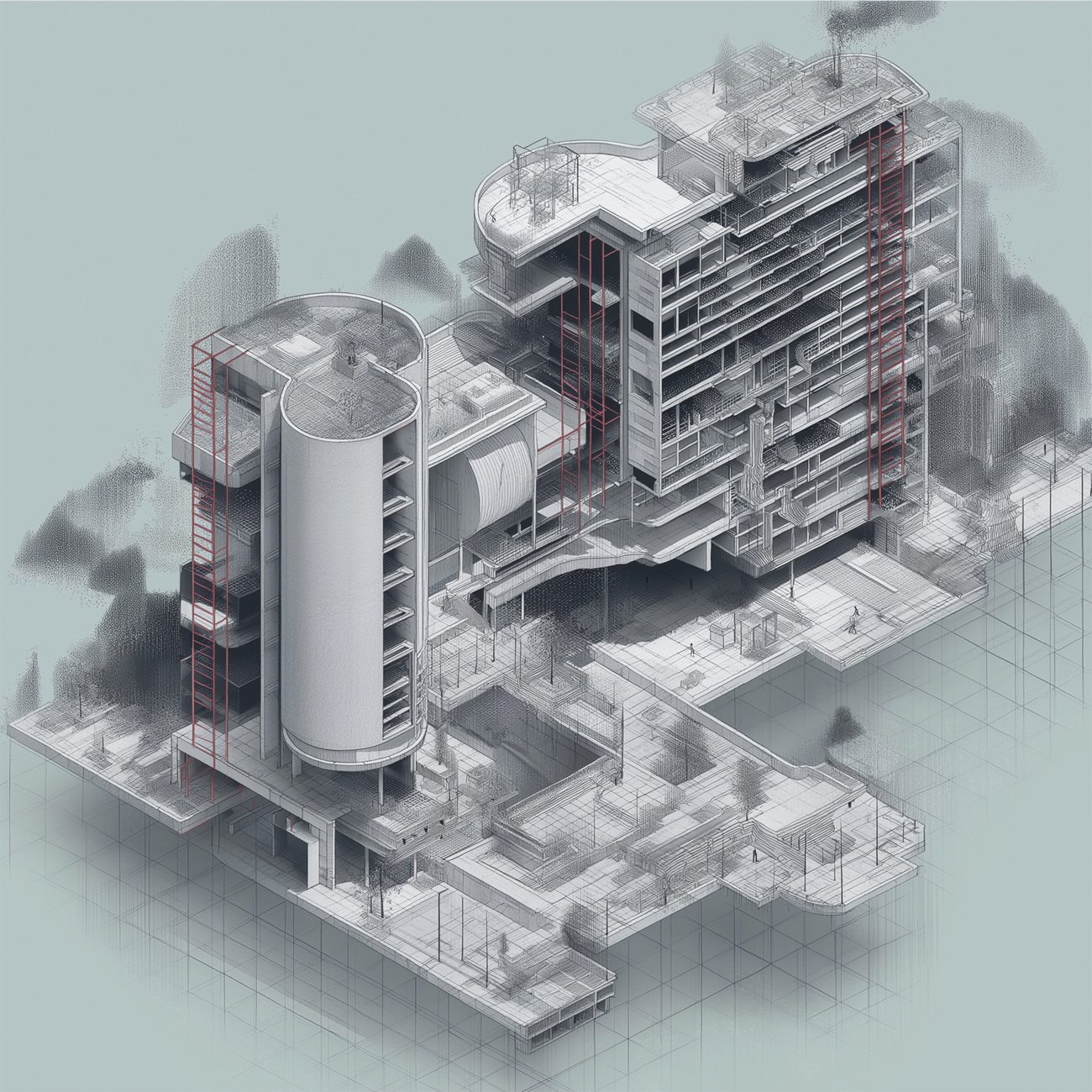
Aligned with the Atlas's Alternate Realities / Futuring theme, The Floating Vessel can be read as a floating ecology of future habitation — a structure suspended between infrastructural determinacy and speculative imagination. Its massing unfolds as a vertical landscape, where modular terraces and interlocking volumes host pockets of vegetation, producing a porous and living architecture. The vessel-like base evokes the imagery of a ship or ark: a symbolic gesture toward resilience and migration in the face of uncertain climatic futures. Glass façades and exposed frameworks articulate transparency and adaptability, while blurred atmospheric edges dissolve the building into its digital field, situating it between material presence and alternate reality.
More than a singular form, the piece proposes a post-disciplinary prototype — at once architectural, ecological, and infrastructural. It resists the idea of the building as a fixed, autonomous object, instead imagining structures that operate as vessels for life and as instruments of adaptation. In this sense, the work speaks directly to the Atlas's provocation: that design should not reinforce architecture as a singular field, but should recontextualize and amplify the narratives capable of disrupting our prevailing frameworks.
Situated within my broader research on artificial intelligence and ecological design, The Floating Vessel extends a line of inquiry into how computational and generative tools can give form to environmentally responsive, speculative futures. Rather than treating sustainability as a technical constraint, the work approaches it as an imaginative and narrative practice — asking what forms of shared, adaptive habitation might emerge when architecture is understood as part of a living, interconnected ecology. Exhibited across two venues and audiences, the project contributed to the Atlas's larger network of interconnected efforts and its call for collective action toward a post-disciplinary design language.