AIA Fort Lauderdale Award 2024
Project Description:
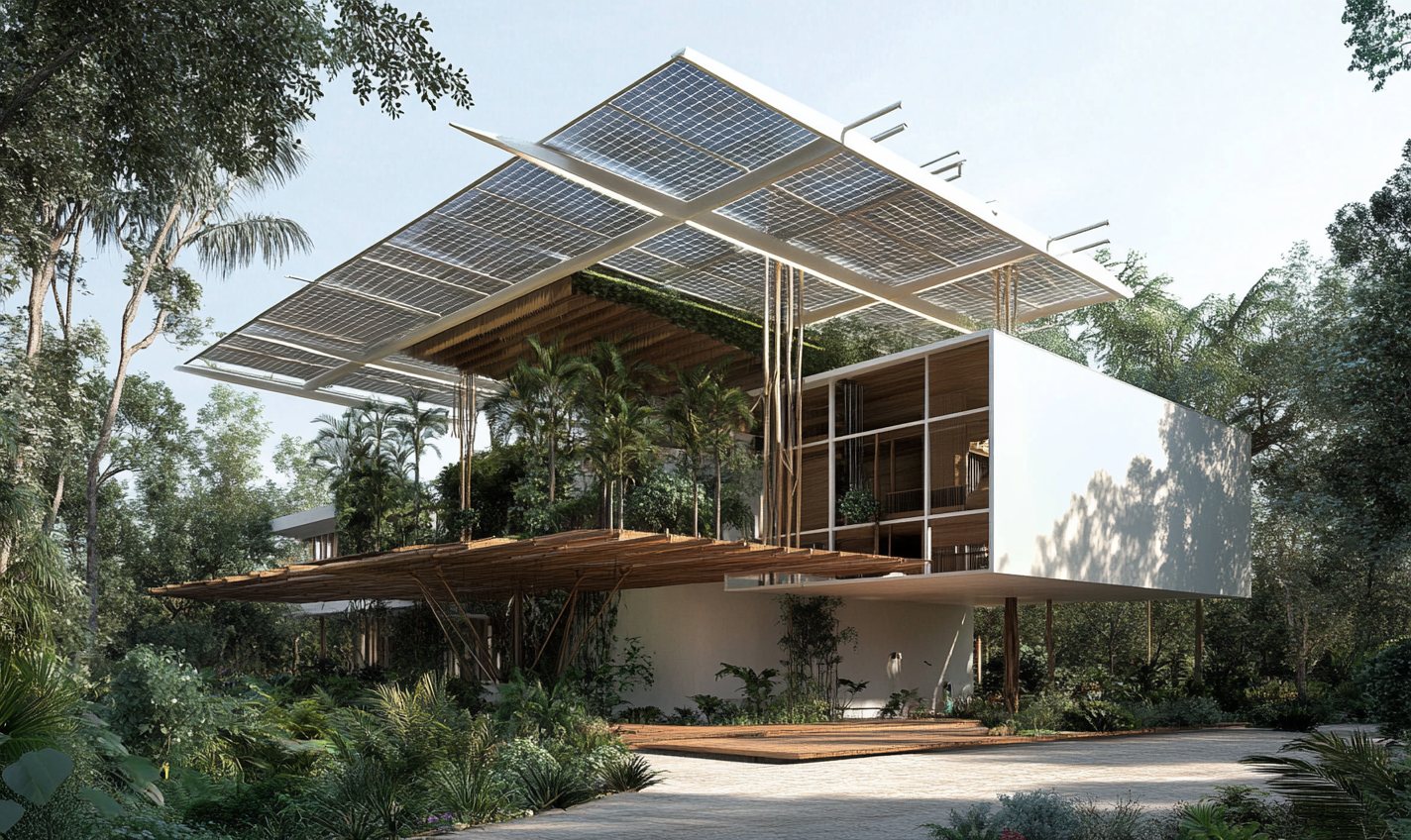
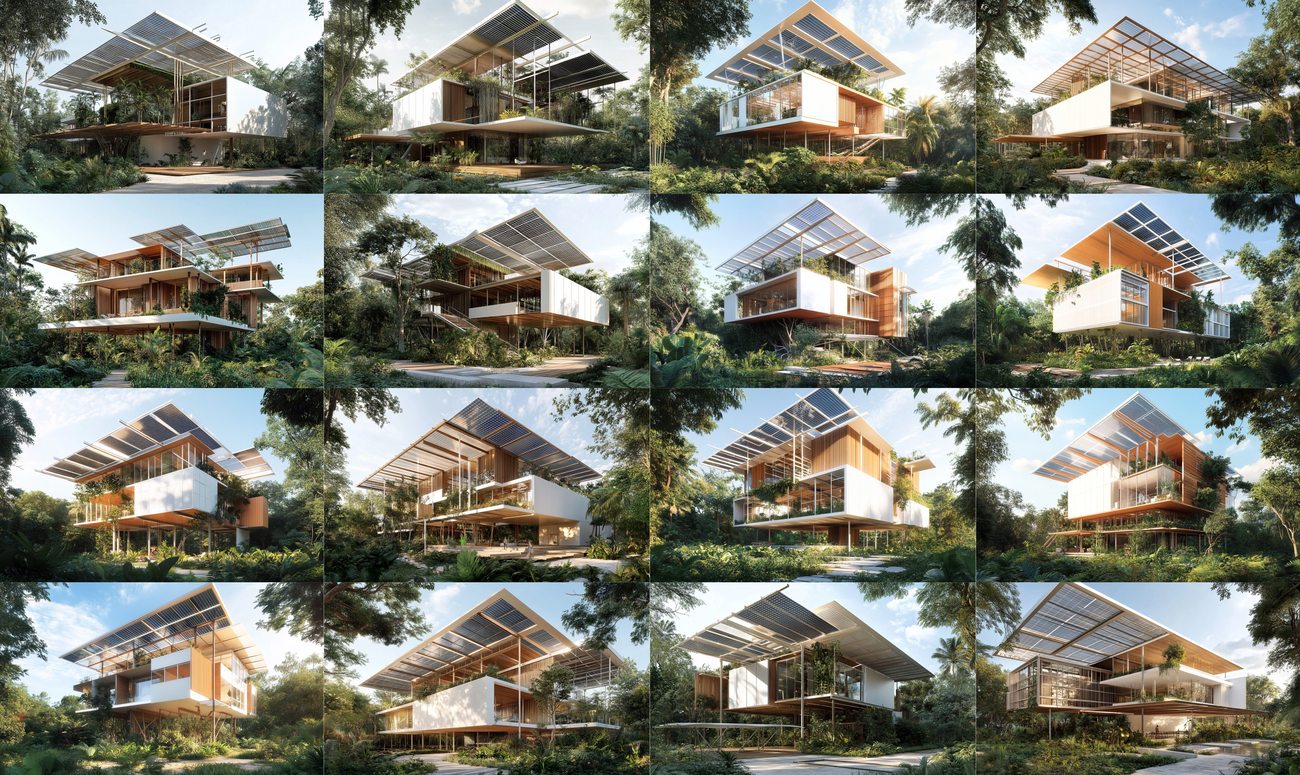
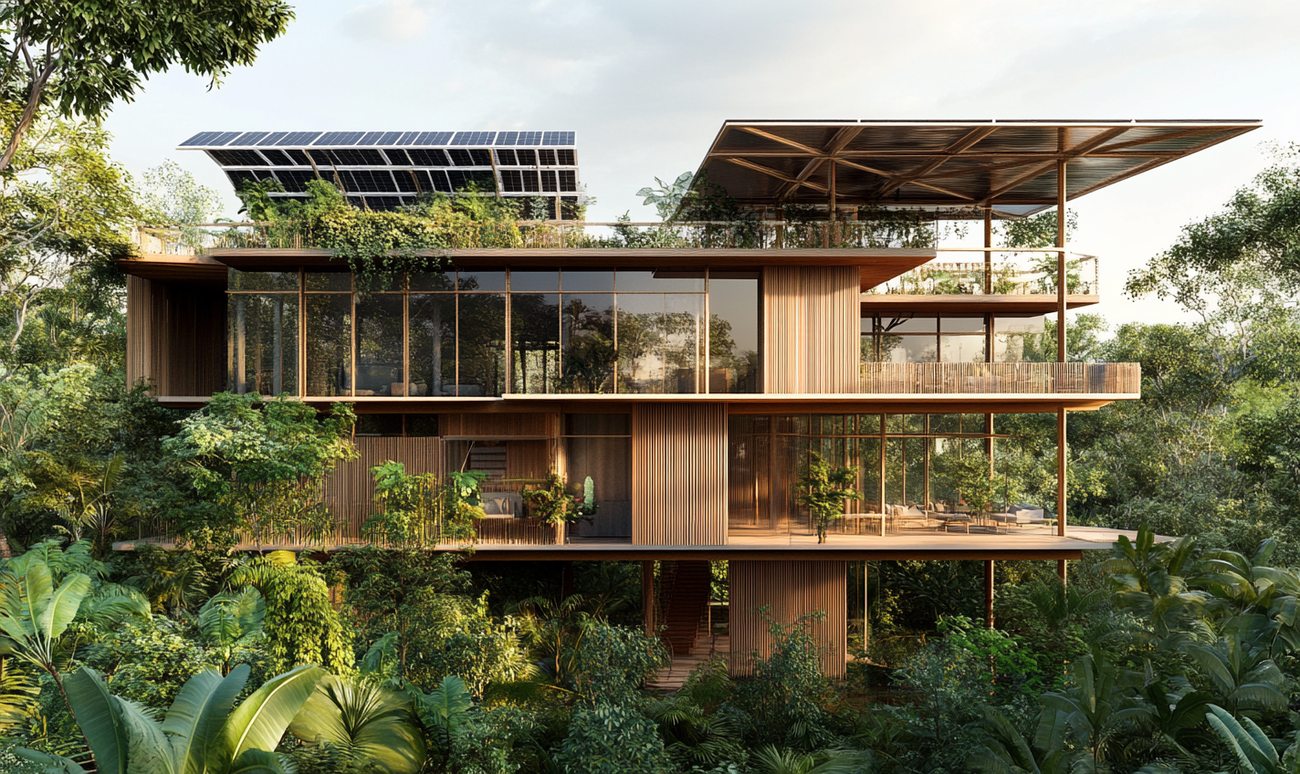
This research project is aimed at investigating the development of a method to leverage the use of AI as a tool to research indigenous architecture. The focus is on establishing a new AI application by developing and applying an AL-driven design framework, called "DEEP-TEK" to fine-tune diffusion models with diverse datasets of vernacular architectures. Learning from Traditional Ecological Knowledge (TEK), we can rediscover the environmental strategies used in those examples and the intelligent adaptations to the climate that achieved resilient design as well as sensitivity to locales and contexts. The research objectives were achieved by developing the DEEP-TEK framework as a prototype and applying it to a case study focused on Florida vernacular architecture, particularly the Florida Cracker architecture. Often designed with expansive porches and large, shuttered windows, these homes were strategically crafted to promote natural ventilation, providing relief from the prolonged heat, typical of low-latitude subtropical climates. Developing the prototype was pursued using a workflow structure of multiple connected iterations for fine-tuning and insertion of datasets of TEK characteristics for investigating certain features and design logic. In addition, the design agency was supported and facilitated through pre-processing methods of dataset curation and augmentation as well as iterative fine-tuning of the AI models.
The research pursues two primary objectives. Firstly, in the context of artificial intelligence (AI) and architecture discourse, traditional Ecological Knowledge (TEK) in design is to be reframed as intelligent adaptive solutions. The integration of TEK-based strategies necessitates a meticulous search for requisite knowledge, demanding thoughtful curation for meaningful exploration. While diffusion models facilitate explorative outcomes reflecting elusive vernacular precedents, their efficacy relies on curated input prompts, initial images, and a structured exploration framework. Secondly, in the development of AI-Driven design workflows, a multi-level approach addresses AI bias. This involves (1) dataset curation with intentional architectural data insertion and (2) training or fine-tuning the model to ensure sample outcomes align with specific design concepts, mitigating bias and enhancing reliability.