AIA Florida Award 2025
Video: https://www.youtube.com/watch?v=Ny2-2wZ2z8Y&list=PLH7lgxqdCI-HKrZ4OPbQWCazXJPcpUtat&index=60
Project Description:
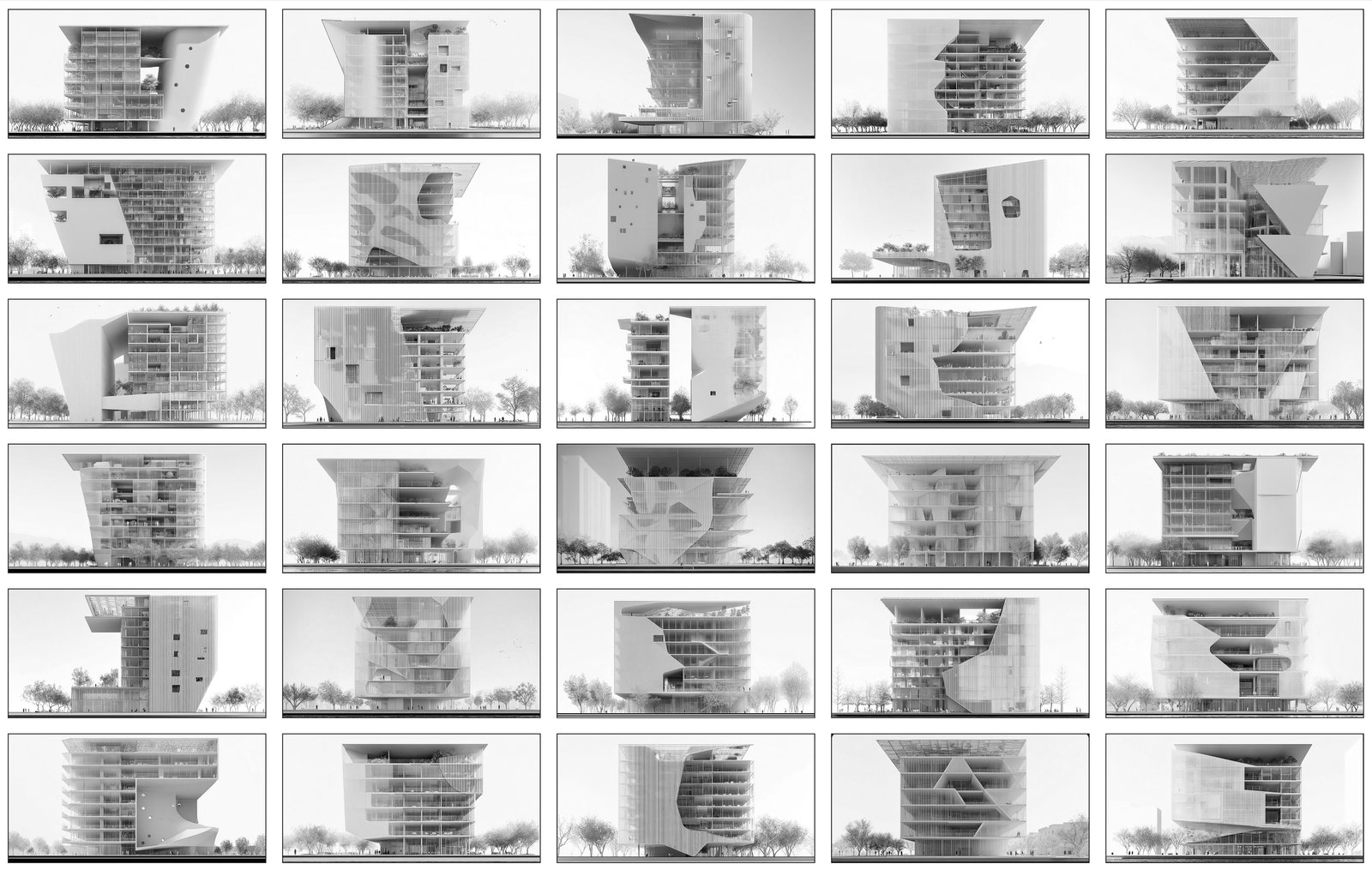
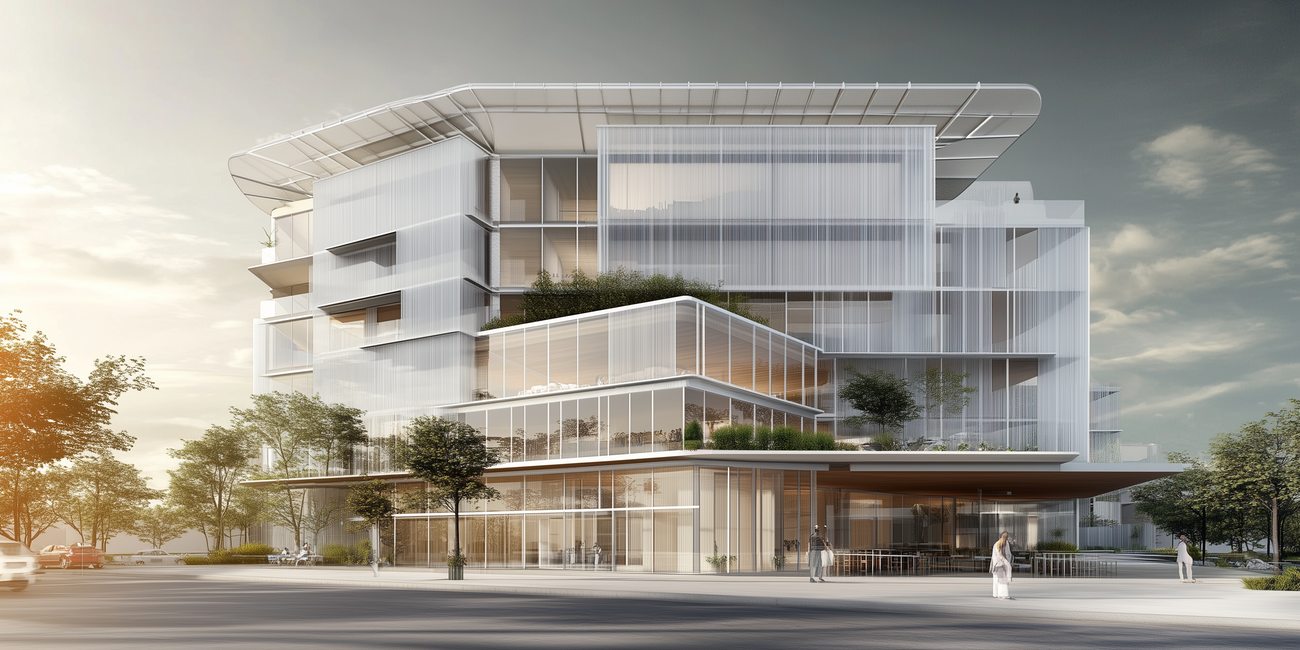
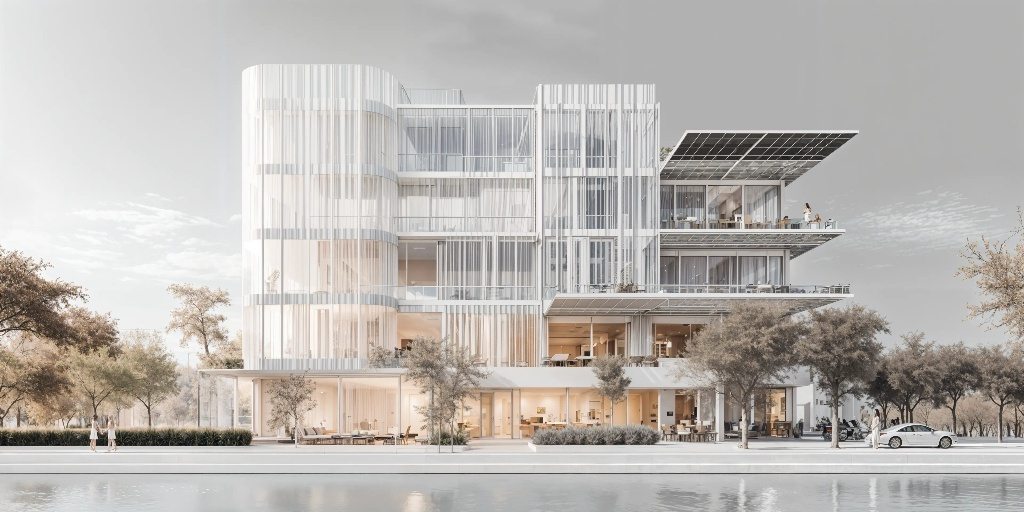
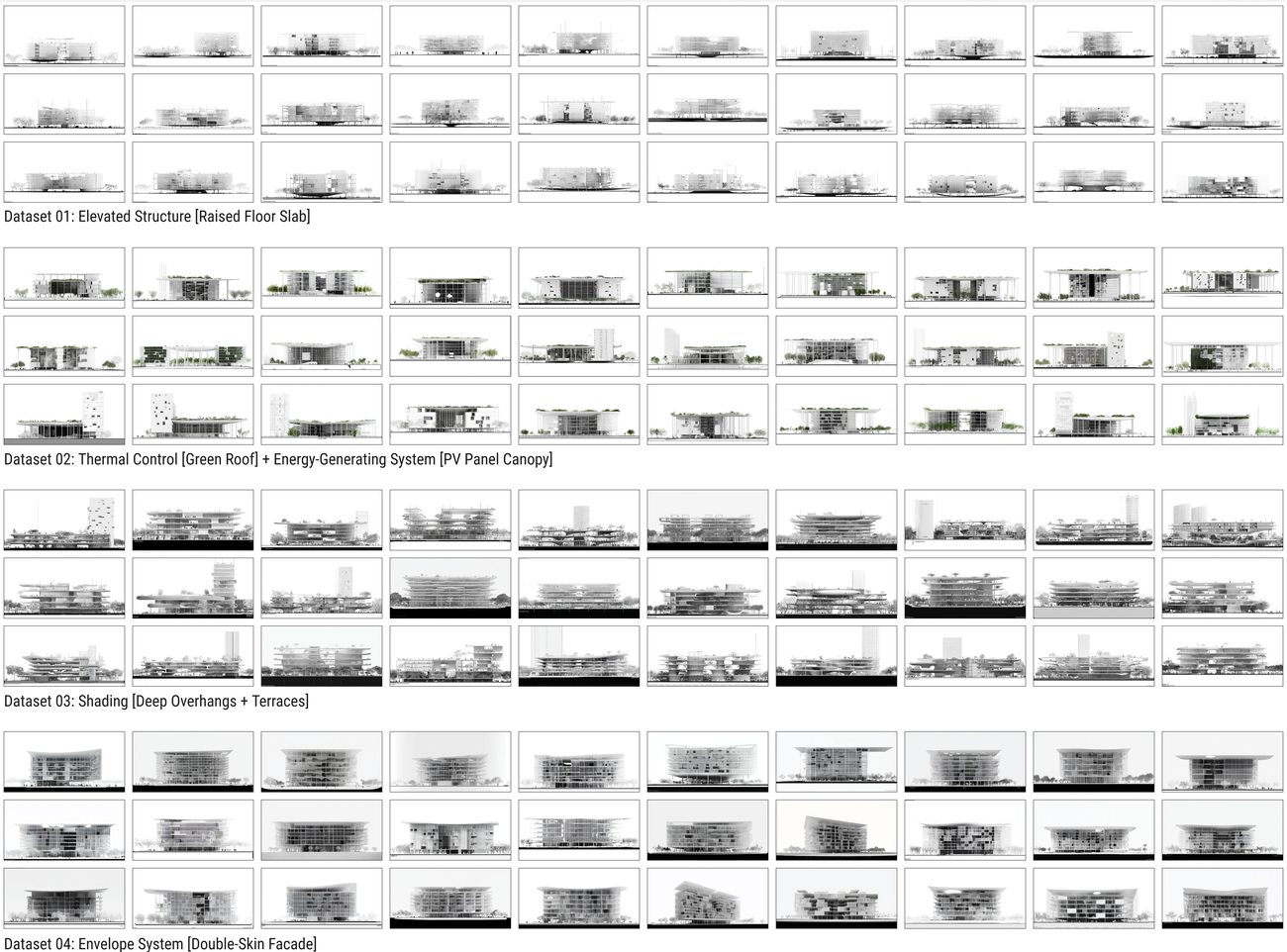
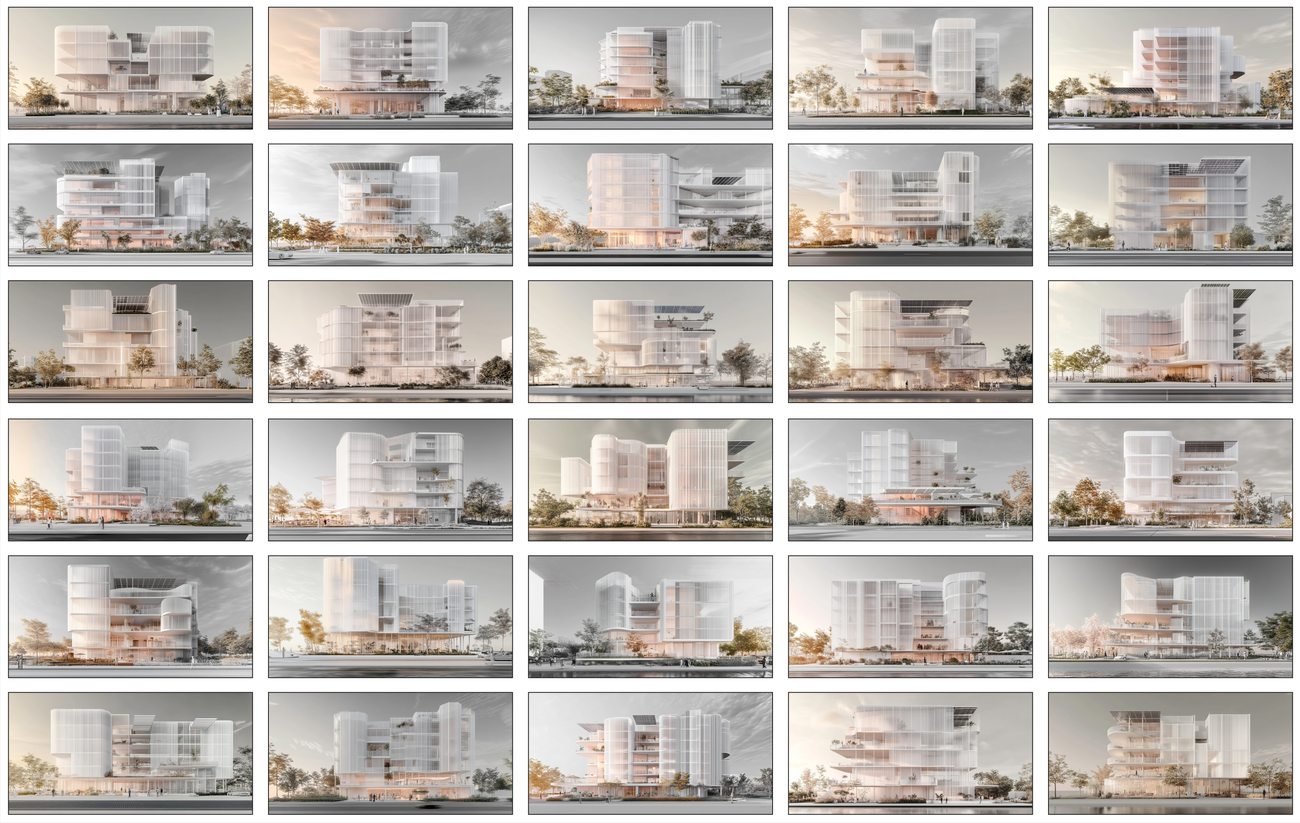
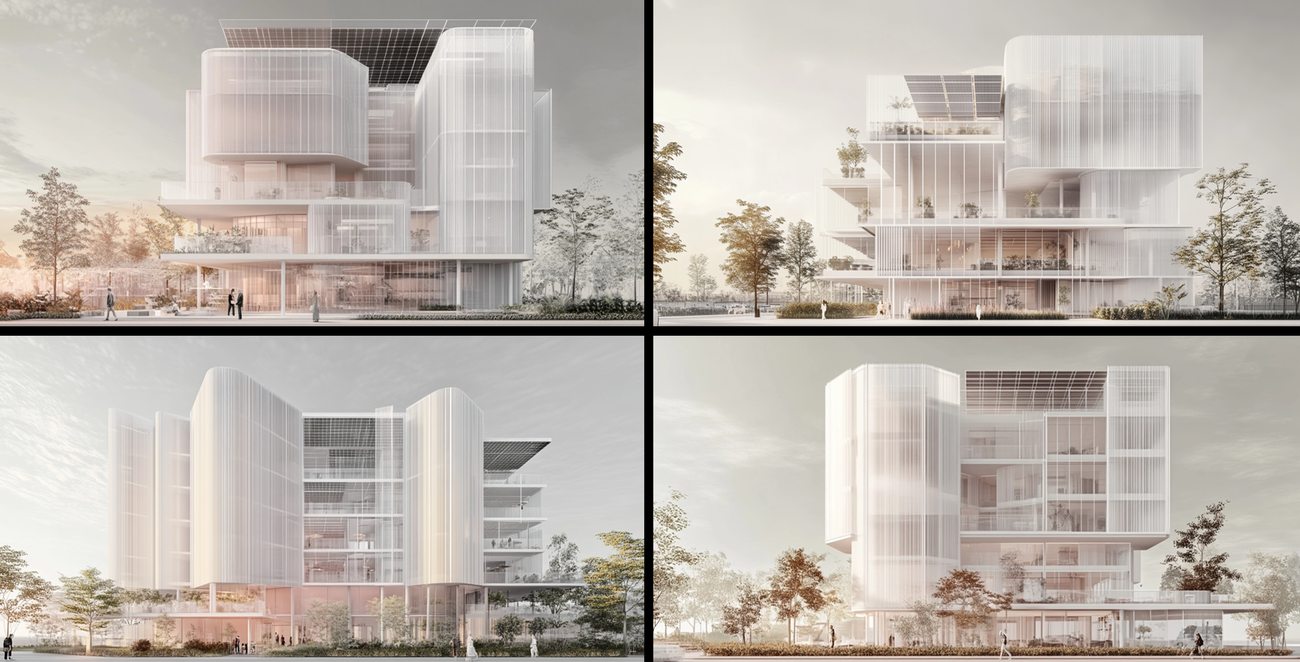
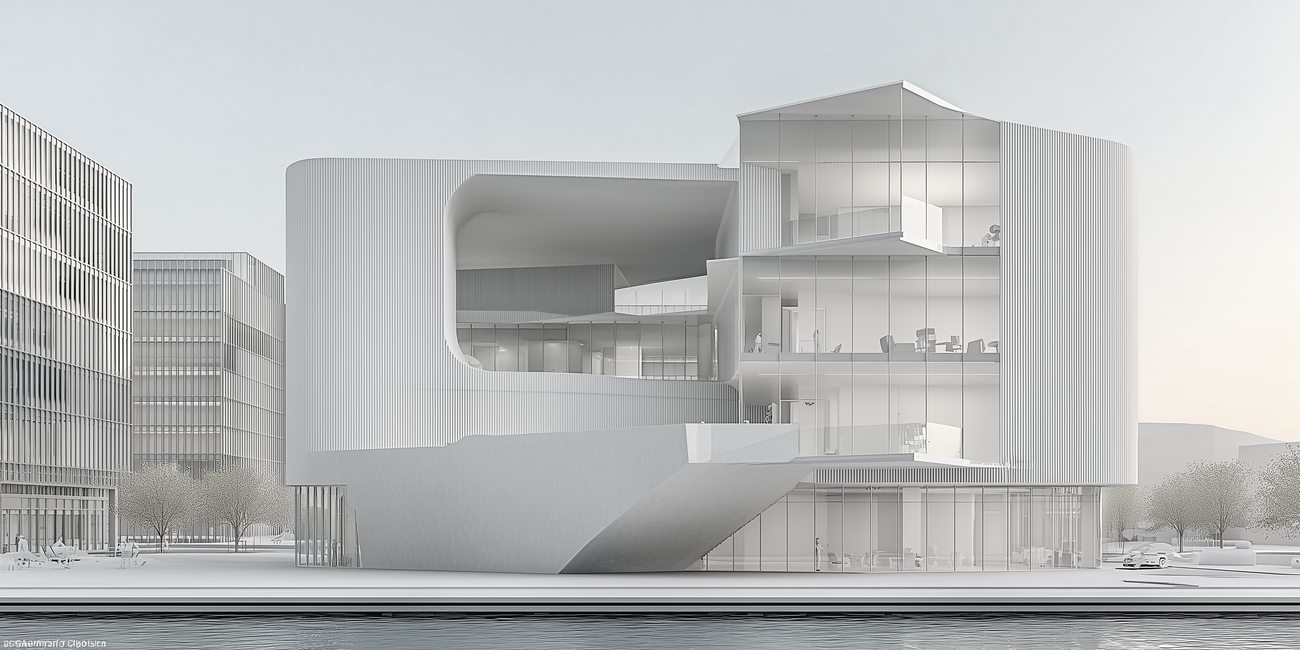
This project critically explores the intersection of generative artificial intelligence (AI) and ecologically resilient architectural design, positioning AI as a tool for decoding and advancing ecological principles in architecture. Through theoretical analysis and applied computational strategies, it examines epistemological and algorithmic biases in AI, particularly diffusion models, challenging dominant paradigms that replicate certain representation-level explorations. The work advocates for integrating passive design strategies—often ignored from AI training—to redefine architectural innovation and expand computational design’s epistemic foundations. By focusing on passive environmental strategies embedded in traditional architectures, the study highlights AI’s potential beyond biased formal representation, exploring novel, sustainable design solutions. Leveraging ecological design strategies and concept-specific query into AI models, the work reimagines AI as a transformative force in addressing challenges of climate change and resource scarcity, ultimately reshaping computational design to support an ecologically responsive architectural future.
This work serves as a critical intervention in architectural discourse, challenging current paradigms of mere representation-based exploration and expanding the process of leveraging AI to address passive design. It advances ecological architectural practices, demonstrating how AI-driven strategies can shape and redefine the trajectory of architectural innovation. Through a rigorous examination of the biases and limitations embedded in AI design tools, this project calls for a necessary critique of the epistemic foundations of AI in architecture while addressing the ethical imperatives of its application in design practice. This project establishes a conceptual framework for fostering a sustainable, contextually responsive, and ecologically attuned architectural future.